Uber
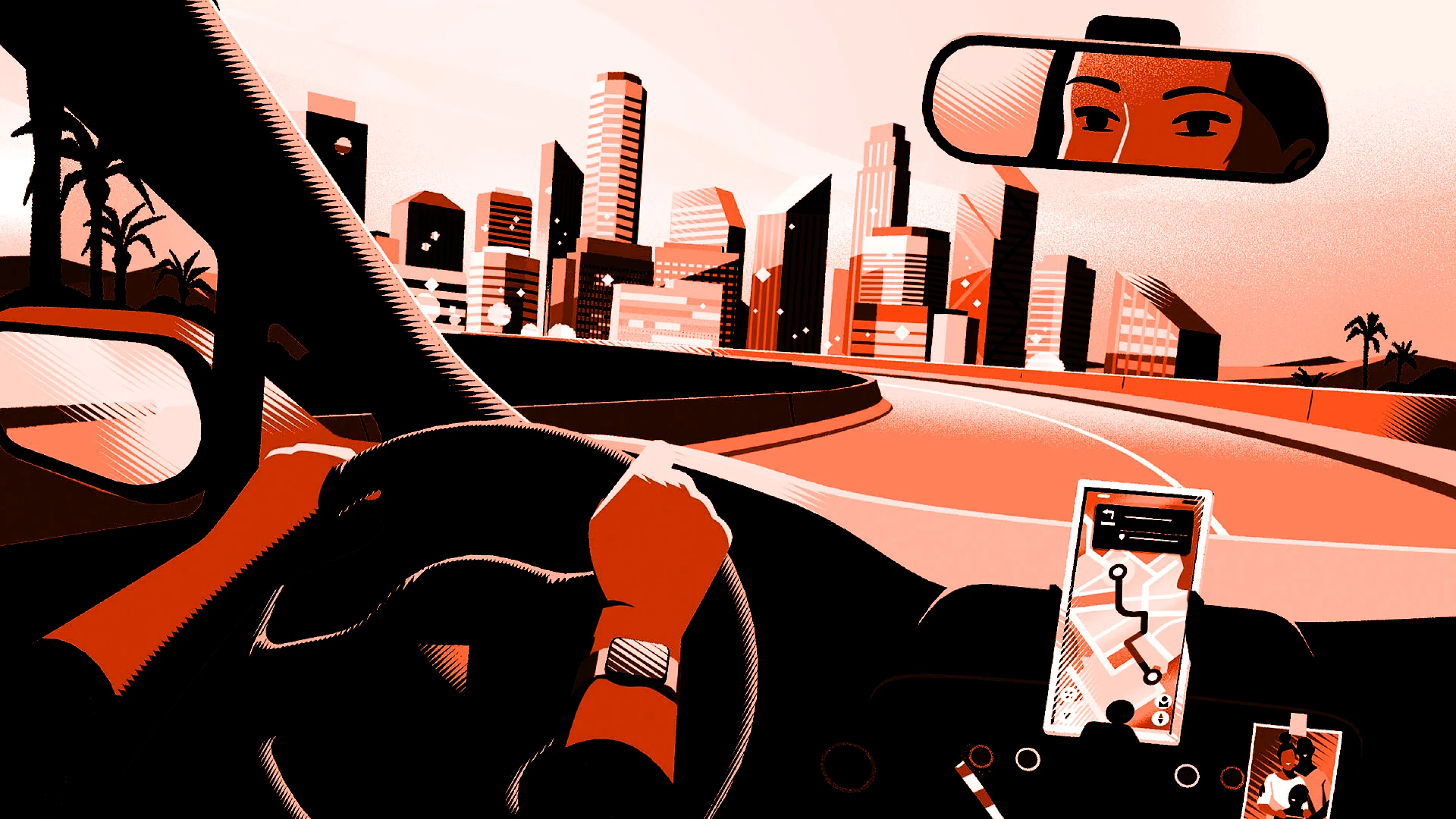
Uber Technologies matches riders with drivers, hungry people with restaurants and food delivery service providers, and shippers with carriers.
Industry
Challenge
Uber faced regulatory barriers and opposition from cities and states across the country. These included the Taxi Commissions, Departments of Transportation, Departments of Insurance, and Public Utility Commissions. Resistance also came from mayors, governors, state legislators, and city council members who have long-standing relationships with the taxi industry.
Execution
In 2011, Tusk began helping Uber assess the situation in key markets, build the right team on the ground, manage the regulatory and communications process and eventually put a long-term leadership team in place. In market after market across the country, Tusk led campaigns to shape Uber’s image in new markets by positioning Uber as a force for change to increase access to communities that were underserved by transportation. We also led intense social and digital media campaigns to press political leaders to open up markets to ride sharing.
For example, in 2015, when NYC sought to cap Uber's growth, Tusk led efforts to defeat the legislation in a multi-faceted campaign. Tusk directed earned media efforts, launched a multi-million dollar advertising blitz, rallied users via targeted advertising (even within the Uber app itself), engaged natural allies from the tech world, leveraged the fractious relationship between the Mayor and other city and state elected officials, and secured additional pressure from officials normally allied with City Hall.
Outcome
With the help of Tusk's team, Uber went from operating only in San Francisco to launching multi-pronged campaigns to key markets around the country, and then the world.
